Vertical Farming: Sustainable Friend or Disrupting Foe?
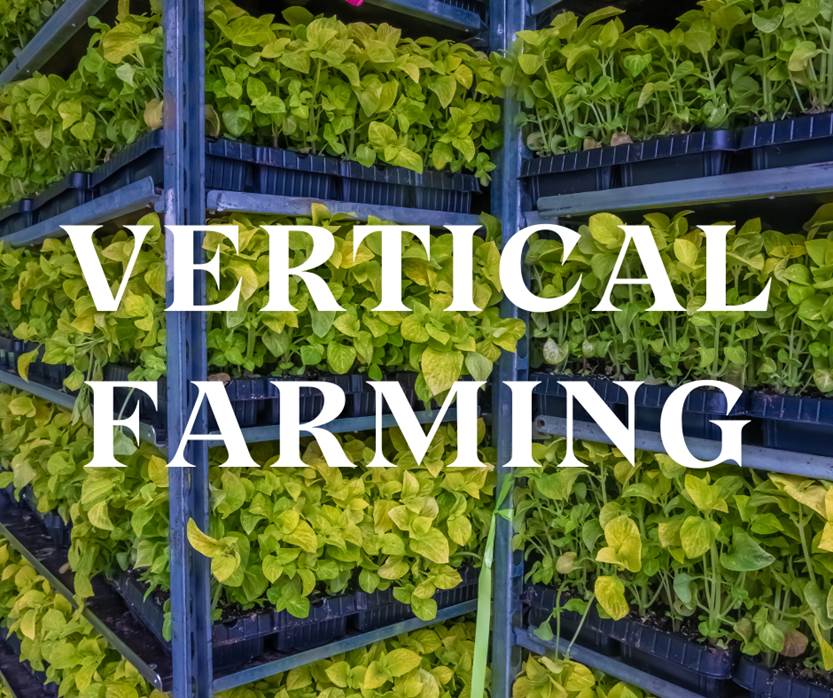
Vertical farming redefines crop production with sustainable solutions, year-round production, and consumer proximity.
By: India Hicks
October 31, 2024
 nnovative concepts in urban agriculture are gaining popularity as concerns about climate change, sustainability, and food insecurities continue. One form of urban agriculture, vertical farming, aims to address these concerns.
What is Vertical Farming?
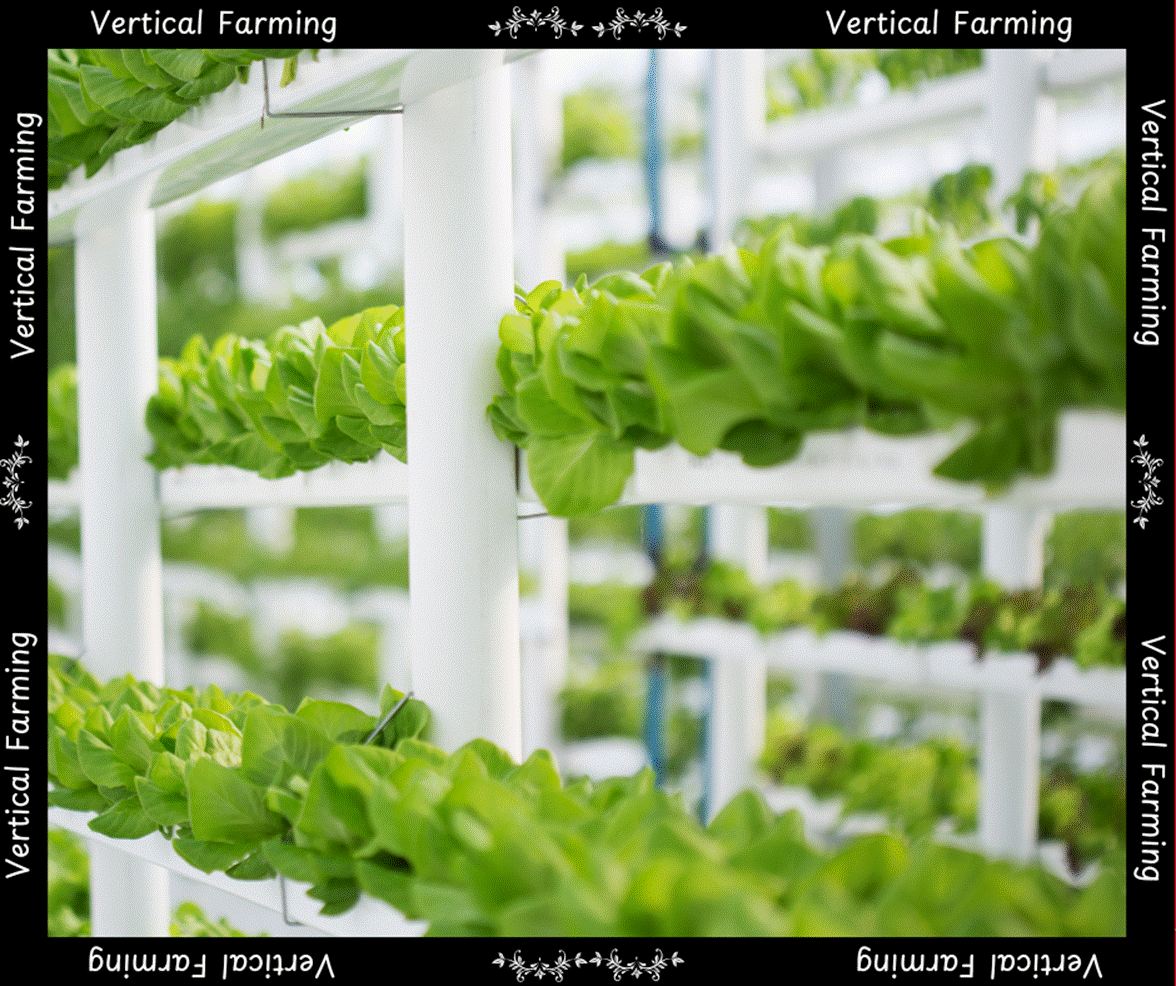
Vertical farming is like "Jack and the Beanstalk" meets a greenhouse. Vertical farms maximize space by growing crops in stacked layers or vertically inclined structures, which allow them to exist almost anywhere. They operate using advanced technology to grow crops in controlled environments.

Vertical farms can operate year-round with less water or pesticides than traditional farming. This cutting-edge farming method often uses no soil, which reduces water usage by 95% at farms like Vertical Roots, a company under AmplifiedAG. Many advantages exist when the growing environment is controlled.
With a controlled growing environment, crops are less vulnerable to pests, diseases, or harsh elements. Most vertical farms are pesticide-free. Vertical farms’ indoor controlled environments can also reduce or eliminate foodborne illnesses. Indoor agriculture avoids exposure to outdoor contaminants like wildlife feces. Soilless farms eliminate soil-borne pathogens such as E. Coli and Salmonella.
With vertical farms, seasonal delays are non-existent. Environmental factors such as droughts, floods, extreme temperatures, and weather-related loss rarely affect vertical farms, which makes crop loss rare.
Since space is optimized, vertical farms can establish themselves in urban areas. Proximity to their market minimizes food miles and maximizes freshness. With precision control over all growing aspects and the vertical farm’s closeness to consumers, crops can retain more nutrient content.
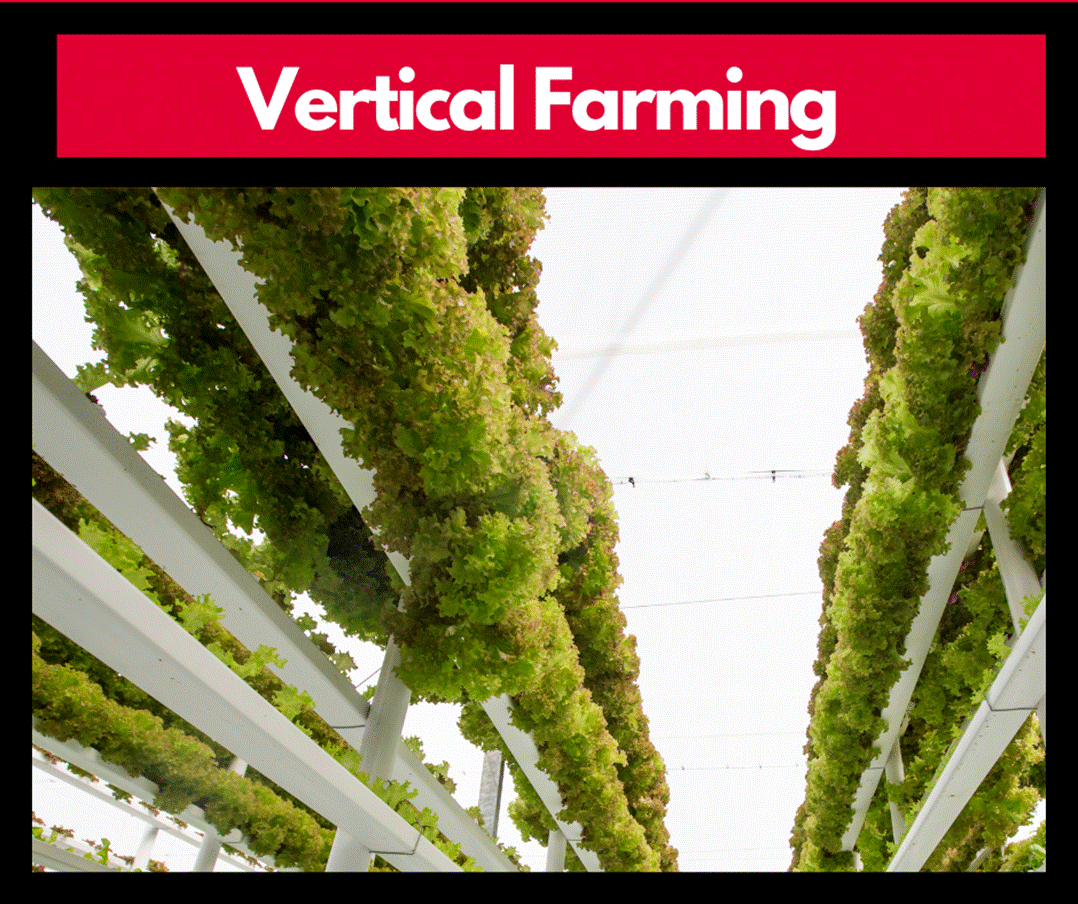
Vertical Farms: A Sustainable Solution
Land Usage
Vertical farms do not have excessive land demands. Unlike traditional agriculture, vertical farming does not lead to deforestation, habitat loss, or disruption of ecosystems. Urban agricultural companies can establish themselves on rooftops, in abandoned or underutilized buildings, or in shipping containers.
“There are 6 million decommissioned shipping containers on the planet at any given time,” says Vertical Roots, which transforms trashed shipping containers into state-of-the-art hydroponic vertical farms. Repurposed shipping containers are convenient, cost-effective, and beneficial to the environment.
Minimal Food Loss
Vertical farms can reduce food loss through efficient distribution. “Food producers represent 21% of food loss and waste in landfills, which emit methane gas that is 25x more harmful than carbon dioxide,” says Vertical Roots. Vertical Roots donates crops to local charities and provides food byproducts to local animal farms as part of their commitment to reducing food loss.
Partnering with local communities and other organizations can also minimize food loss. Mark Oshima, Co-Founder and Chief Marketing Officer at AeroFarms, a vertical farm company in New Jersey and Virginia, says they are proud to partner with Table to Table and Martriark to help provide fresh, nutritious, delicious leafy greens and serve local communities struggling with food insecurity.
Spoilage, another contributor to food loss, is significantly reduced with urban farming. Crop losses often occur during long-distance transportation. Shortening the food supply chain means less chance of spoilage.
Sustainable Packaging
As they strive for sustainability, some farms use packaging materials with the highest likelihood of recyclability. Vertical Roots says their “clamshells are made from 100% post-consumer recycled #1 plastic (rPET), which is the most accepted plastic at recycling facilities in the U.S.”
AeroFarm’s efforts to reduce plastic waste begin when you open their product. Peel-off lids use fewer materials, which minimizes their environmental impact. Because “Recycling wrong is almost the same as not recycling,” according to the University of Florida, AeroFarms allows customers to collect and mail in their peel-off lids for ensured recycling.
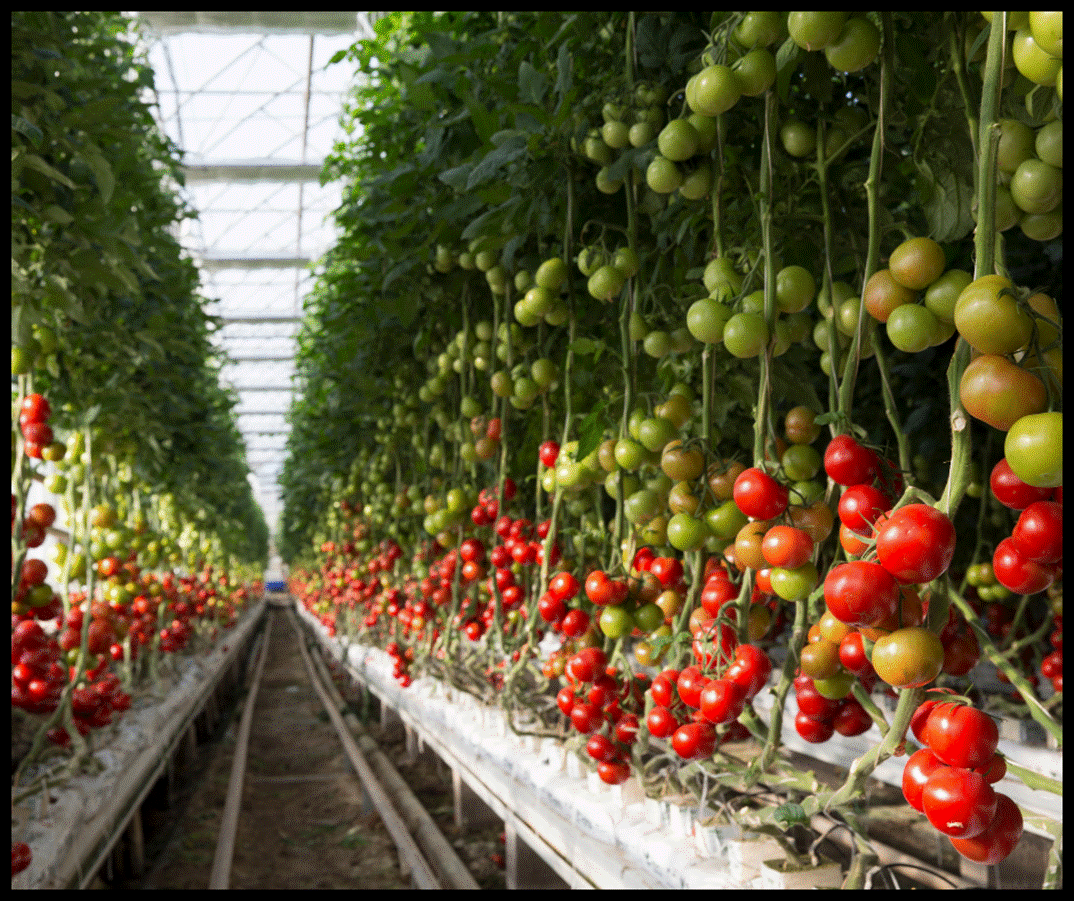
With vertical farming benefiting people and the planet, will this innovative agriculture replace conventional agriculture entirely? The benefits suggest so, but vertical farming is not without its challenges.
The Hurdles of Vertical Farming
Startup Costs
Vertical farms require more startup capital than traditional agricultural farms or greenhouse farms. Securing and renovating a facility can be expensive. Cutting-edge technology and vertical farming’s lighting requirements add to the high initial investment.
iFarm, an indoor farming technology company, estimates the price tag for outfitting a vertical farm with its technology to be approximately $1000 per square meter (roughly $1000 per 10 square feet). FinModelsLab financial advisors suggest the initial investment ranges from $610,000 to $3,650,000. Undoubtedly, vertical farming requires substantial upfront costs.
Labor and Operational Costs
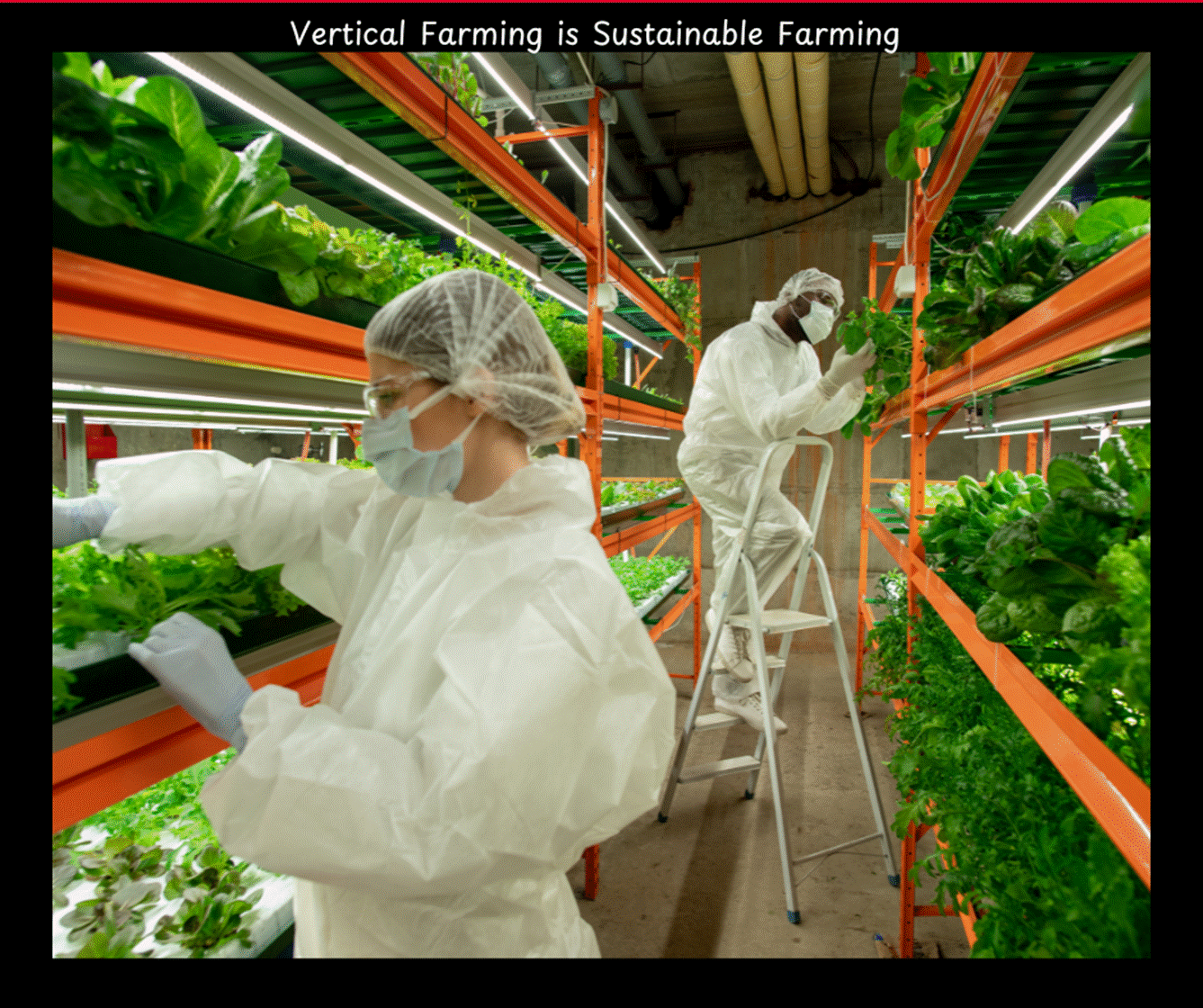
Finding career-ready employees can be another obstacle for vertical farms. Vertical farming facilities require laborers with the knowledge to operate cutting-edge farming equipment. Only a few colleges and universities offer education for this career field. As a result, vertical farming companies often invest significant time and resources into on-the-job training. Also, hourly wages are generally higher than traditional farm labor because of the training needed to operate high-tech equipment.
In addition to direct labor wages, vertical farms' energy usage contributes to their higher operational costs. Traditional farms operate with sunlight. Vertical farms need a significant amount of artificial lighting. The costs of lighting, climate control, and technology for vertical farms can be substantial.
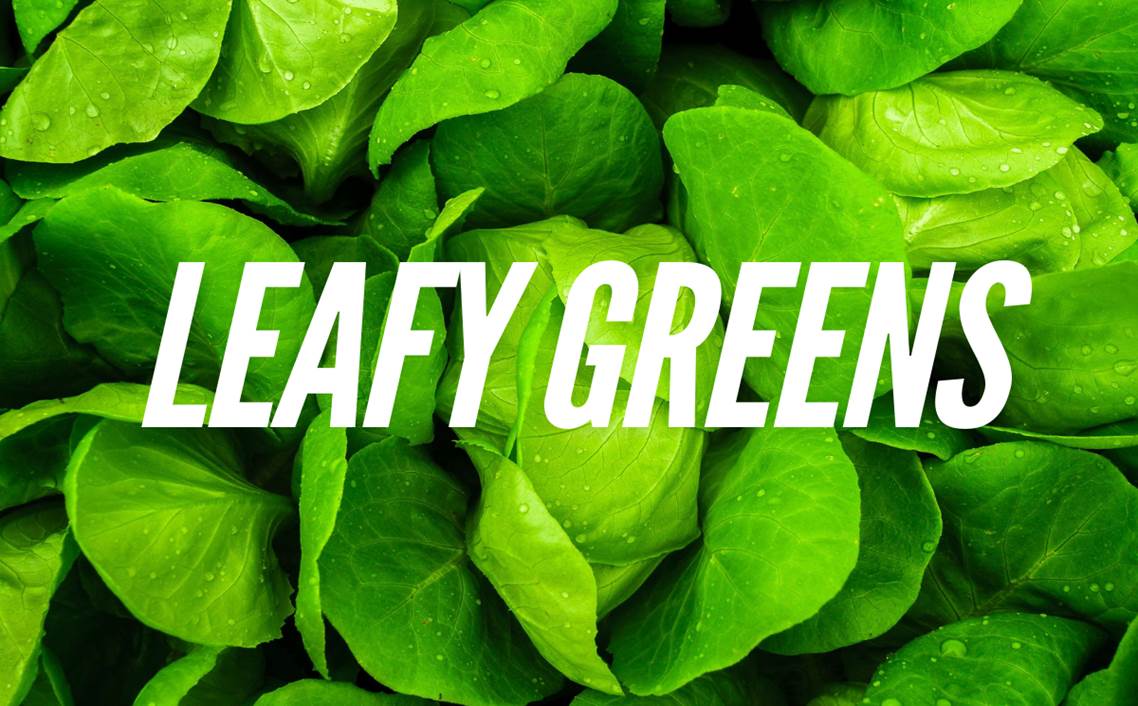
These high operational costs can be offset by producing crops that grow rapidly and are in high demand, such as leafy greens and herbs. Leafy greens and herbs work best for stacked layers and minimal spacing. Their rapid turnaround aids in productivity and profitability. Larger plants have longer growth cycles and require more vertical space for height growth and horizontal space for root growth. Larger plants occupy valuable space that many vertical farms cannot sacrifice.
Alternative energy is another way for vertical farms to offset costs. Vertical Roots is currently testing solar energy in their Charleston, SC, farm site. Energy-efficient LED lighting and custom equipment can also reduce energy usage. “We use our own proprietary LED lighting,” says AeroFarms. As vertical farming continues to grow and evolve, innovators seek solutions to some of the challenges these farms face.

Why Some Vertical Farms Fail
Regardless of the benefits of vertical farming, the reality is that operational costs can affect consumer costs. Many consumers will pay higher prices to support these companies' sustainability efforts and to purchase the freshest produce. However, vertical farms can fail when consumers reject the higher product prices or when vertical farms reduce their product prices to the point of revenue falling below operational costs.
In 2023, AeroFarms filed for Chapter 11 bankruptcy. Aerofarms is not alone in the struggle to become self-sustaining. AppHarvest, a vertical farming company in Kentucky, also filed for bankruptcy in 2023. “The primary issue was ramping up production and revenue across the four-farm network quickly enough to become self-sustaining,” says AppHarvest communications officer Travis Parm. Adequate funding, strategic planning, and accepting the agriculture industry as a long-term commitment are necessary for vertical farming success.
Vertical Farming Success Requires Strategy
“Anybody who knows ag knows it’s a long haul,” says Tom Stenzel, executive director of the Controlled Environment Agriculture Alliance (CEA). All forms of agriculture require effort over a long period to achieve profitability and success. Particularly with vertical farming’s high initial investments, companies must focus on the product rather than the profitability. Vertical farms must avoid short-term thinking, says Leo Marcelis, a vertical farming expert at Wageningen University in the Netherlands. This focus on future production must include strategizing to ensure success.
By starting small and expanding as the profitability and demand increase, farms may be able to avoid failure. “We provide just enough capacity to meet whatever demand is at the time, and as we continue to grow, we just add more capacity through more shipping containers,” says Don Taylor, CTO at Vertical Roots.
Vertical Roots has established a positive name for itself through consumer feedback, community engagement, sustainability, innovation, and industry recognition. They have also partnered with major corporations such as Whole Foods Market and Harris Teeter, ensuring continued demand for their product.
Successful vertical farming companies employ strategies like consumer engagement, partnerships, and collaboration with the local market. These farms seek innovative solutions to this industry's challenges, including implementing effective automated systems. For companies that overcome the obstacles, vertical farming paves the way to sustainable agriculture.
A Future of Coexistence
With emerging health and environmental concerns over pesticides, foodborne pathogens, and land use, vertical farming has created a demand for itself. This revolutionary farming may be called the future of fresh crops since it has the potential to reshape the agriculture industry.
However, vertical farming is unlikely to replace traditional agriculture entirely. High energy consumption and crops ill-suited for vertical farms' limited space and turnaround time warrant the continued demand for conventional farming. These separate agricultural processes can coexist to address different farming needs. Vertical farming uses technology to grow towards sustainability, while traditional agriculture remains rooted in our food supply system.