Plant-Based Diet Trends: Insights for Restaurants
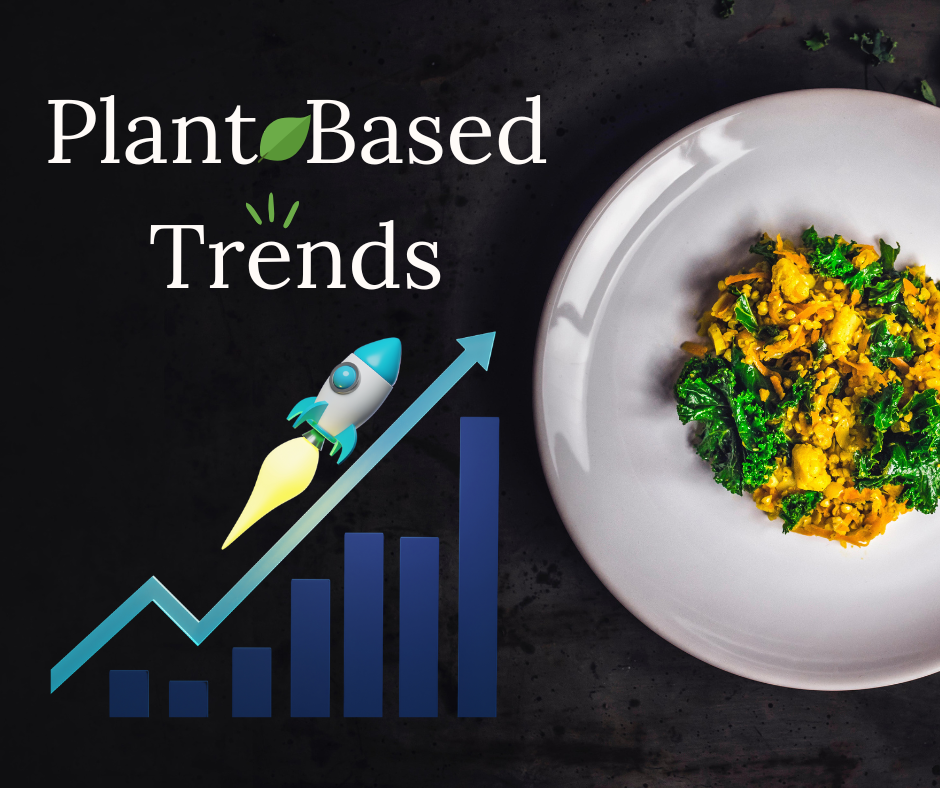
Image created on Canva by: India Hicks
A rise in plant-based eating emerges as consumer attitudes shift.
By: India Hicks
March 10, 2025
 ttitudes towards food choices are evolving. The vegan diet, also known as the plant-based diet, was once called ‘extreme,’ but now it is sought after due to its sustainability and health benefits. As consumer demand for plant-based foods rapidly rises, many restaurants are responding. However, some stand firm in opposition; they adamantly oppose or are reluctant to adapt to the plant-based market trend. Ignoring this market trend jeopardizes long-term profitability as consumers look elsewhere to satisfy dietary preferences.

Why Some Restaurants Resist the Plant-Based Market Trend
The plant-based market has become mainstream, yet some companies cling to outdated concepts or firmly hold onto their meat-centric brand identity. These companies fail to recognize the plant-based consumer and the motivation for this lifestyle.

Image created on Canva by: India Hicks
While plant-based foods have always been part of a vegan lifestyle, the plant-based consumer is not synonymous with veganism. Understanding the factors that motivate plant-based food choices is crucial for restaurants whose long-term goals are customer satisfaction, profitability, and overall success.

Sustainability: A Key Factor Driving Plant-Based Choices
With a climate crisis looming, sustainability is at the forefront of many consumers’ dietary choices. Animal agriculture consumes more resources than growing crops for direct human consumption. Plant-based diets can reduce greenhouse emissions, deforestation, and habitat loss. As consumers look to reduce their carbon footprint, plant-based diets are gaining in popularity.
“I watched a documentary on the ocean and how carbon emissions affect the Earth’s water temperature. I stopped eating meat to make a difference,” says Bruce Bowen, a firefighter in Georgia. Bowen is not the only firefighter who has switched to a plant-based diet.
Plant-Based Eating Gains Popularity Among Athletes and Celebrities
Rip Esselstyn sparked a national interest in plant-based diets with his book The Engine 2 Diet, which documents the diet transformation of Esselstyn’s colleagues at a Texas fire station. As cultural perceptions shift, eating plant-based foods is no longer associated with the stereotypical hippie or tree hugger.
NFL players, such as some of the Tennessee Titans, celebrities like Ariana Grande and Natalie Portman, and politicians like Bill Clinton and Tulsi Gabbard, have opted for vegan diets. Many people strive to put more plant-based foods on their plates as health becomes another driving force behind diets free of animal products.

Image created on Canva by: India Hicks
The Health Benefits of a Plant-Based Diet
 A peer-reviewed study published in BMC Nutrition Journal states, “Higher adherence to plant-based dietary patterns, especially from healthy sources, may be universally beneficial for the primary prevention of type 2 diabetes, cardiovascular disease, cancer, and mortality.” This study suggests that plant-based diets are gaining more attention due to their potential for reducing chronic diseases. In addition to reduced risks for major diseases, plant-based diets can improve weight and overall well-being.

 “I lost weight, and my knees and feet quit hurting,” says Bowen when asked about any health benefits derived from his dietary change. The National Institutes of Health (NIH) says plant-based diets may be useful in preventing weight gain and controlling body weight. Health benefits and sustainability have merged with a concern for animal welfare, making a plant-based diet appealing to large populations of consumers.

Image created on Canva by: India Hicks
Many Fast Food Chains and Restaurants are Adapting to Demand
In response to this market demand, restaurants are adapting their menus. Burger King’s Impossible Whopper, Panda Express’s Beyond Orange Chicken, and Starbucks’s Impossible Breakfast Sandwich, among many others, are a testament to the growing trend of consumers reducing their animal product intake.
Some Restaurants Continue to Exclude Plant-Based Options
Still, some restaurants oppose changing their menu. Their reasons vary from perceived low demand and limited culinary expertise in preparing plant-based foods to skepticism about plant-based trends and concern for their brand identity. Some even seem to ridicule those who abstain from consuming meat, like one restaurant’s “We Have the Meats” campaign.
Perhaps some businesses think they remain true to their consumer base of meat-eaters by not incorporating plant-based foods. This sentiment forgets a considerably large group of consumers seeking plant-based options. It’s not those seeking sustainability or health, nor is it vegans or vegetarians – it’s their family, friends, and associates.

Image created on Canva by: India Hicks
The Social Impact of Offering Plant-Based Menu Options
“When we eat out, I will make sure it is somewhere that has something my husband can eat, even if that means giving up a place I want to eat,” says Jessica Bowen. Restaurants without plant-based options are often avoided to ensure diverse dietary meal options.
“I’ve gone out with friends, and we try to find something that has options for everyone. That way, no one has to be limited in their choices,” says actor Pierce Lackey.

When looking for a steak restaurant for a company Christmas party, Jessica says she had to ensure the restaurant had plant-based options for her husband and anyone else seeking plant-based food options. “I decided against a couple of places because of their lack of an inclusive menu,” says Jessica.

Image created on Canva by: India Hicks https:/.schools.nyc.gov/school-life/food/school-meals/plant-powered
The Future of Plant-Based Eating In Schools and Healthcare
Future generations will seek plant-based foods as more public schools introduce students to plant-based lifestyles. “Beyond nutrition education, New York City public schools are already taking actionable steps towards sustainability and cultural responsiveness in our meal programs,” says DOE Office of Food and Nutrition Services Senior Executive Director Chris Tricarico.
As plant-based foods and progressive thinking continue to become a part of educational systems, Gen Z and Gen Alpha are being taught health and environmental awareness from a young age. They are learning that plant-based diets have a significantly lower environmental impact. Students are also being taught the health advantages associated with plant-based diets. As plant-based foods become integrated into the younger generations' lifestyles, consumers seeking plant-based options will continue to emerge.

Doctors and Medical Experts Advocate for Plant-Based Diets
Physicians and medical facilities are also introducing their patients to the positive effects of a plant-based diet. A growing number of physicians are advocating for a plant-based diet in the battle against diet-related chronic illnesses. Dr. Kim Williams, the first vegan to serve as the President of the American College of Cardiology, says, “I don’t mind dying; I just don’t want it to be my fault.”
Dr. Priyumvada Naik, a triple board-certified physician in pulmonary medicine, critical care medicine, and lifestyle medicine, advocates for plant-based diets and says, “It’s phenomenally important not only to reverse problems but to prevent future problems.”
In response to restaurants that lack plant-based options, Dr. Naik says, “This is a market that has bafflingly been ignored, considering vegans and plant-based eaters tend to be very willing to pay for good quality plant-based meals.” She believes the rise in awareness of the healthfulness of plant-based foods is resulting in a dramatic increase in people who eat plant-based part-time.

Image created on Canva by: India Hicks
Innovative Plant-Based Food Alternatives Are on the Rise
Plant-based foods are no longer a limited market for ethical vegans. The justification for eating plant-based comes from a mixed bag of reasoning, leading some companies to use innovative technology to target meat, egg, and cheese lovers. Beyond and Impossible Foods have created plant-based foods that mimic meat in texture, taste, and appearance. Beyond and Impossible are becoming more easily accessible as many restaurants have added at least one to their menu.
Just Egg, made by Eat Just, Inc., is an egg replacer that mimics the taste and texture of eggs. It’s one of the company’s most popular products and can be found in Caribou Coffee’s Just Egg Roasted Tomato & Pesto Flatbread. Accessible plant-based options have become a driving force behind many people’s choice of where to dine out.

Image created on Canva by: India Hicks
The Future of Plant-Based Demands in the Restaurant Industry
The plant-based market is no longer a niche; it is a trend that is growing exponentially. Companies analyzing future profitability have implemented marketing strategies to meet the demand. As the plant-based market continues to evolve and expand, companies must offer plant-based options to remain competitive.
The cultural perception of a healthy, sustainable diet has shifted towards plant-based eating. This cultural shift will continue with future generations. As the plant-based industry steadily rises, restaurants that hold fast to meat-focused brand identities risk significant revenue loss. These companies may “have the meats,” but they do not have the growing number of plant-based consumers, and that is a marketing strategy that is bound to fail.